A Gallery of Masterpieces
After finishing Part 1, I kept digging...
The deeper I went, the more I realized CPCP wasn't just one incredible collection, it became the foundation for one of the most impressive transformations in modern watchmaking.
What started as a revival of Cartier's historic designs eventually evolved into an entirely new generation of Fine Watchmaking.
These are the pieces that completely changed the way I look at the brand.
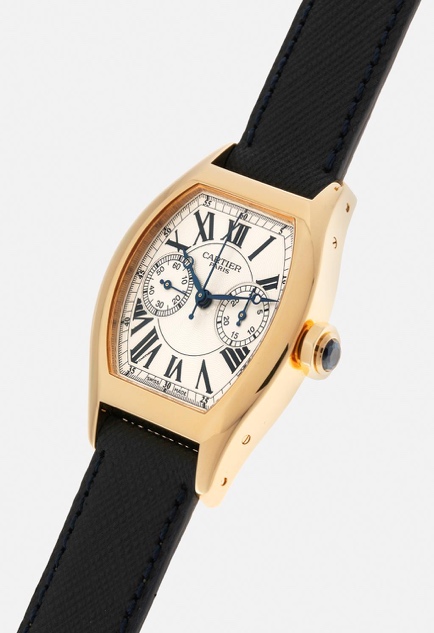
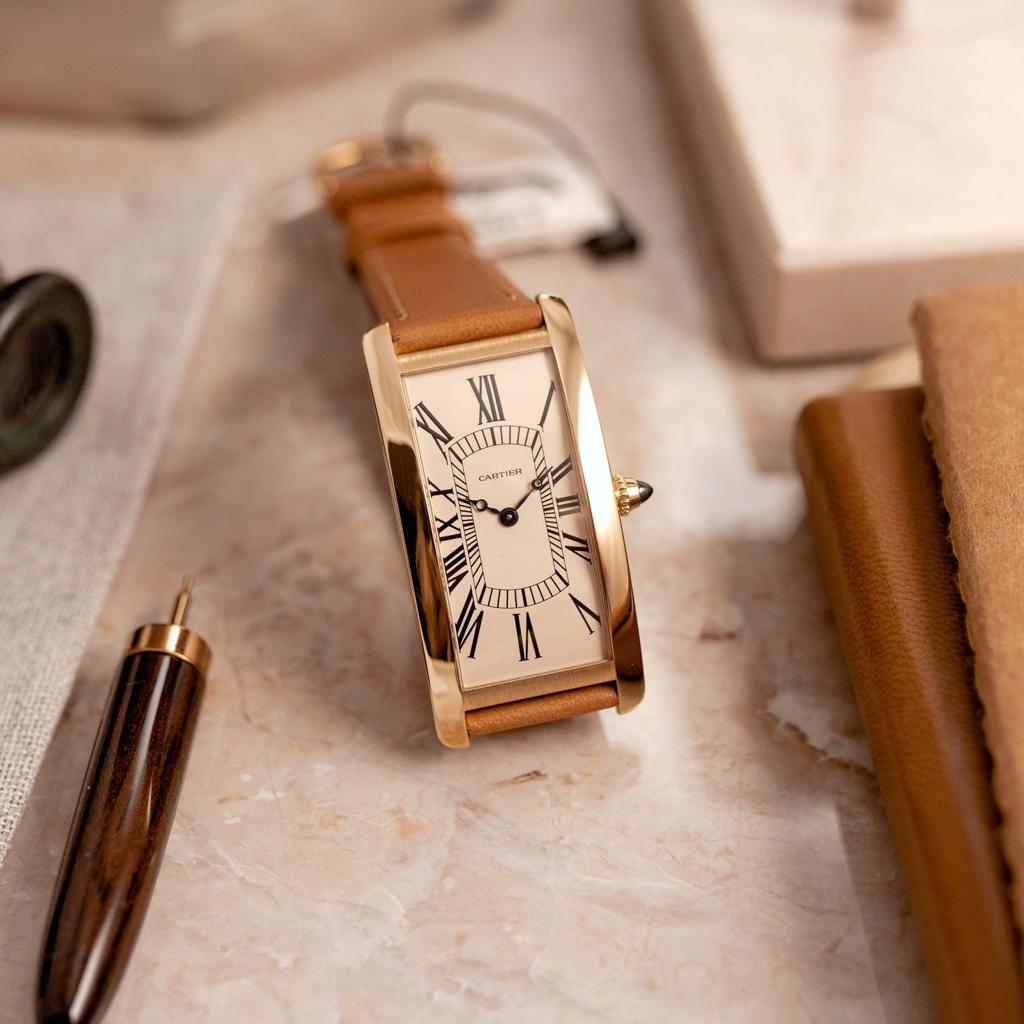
Gallery I — The Icons
 .
.  .
. 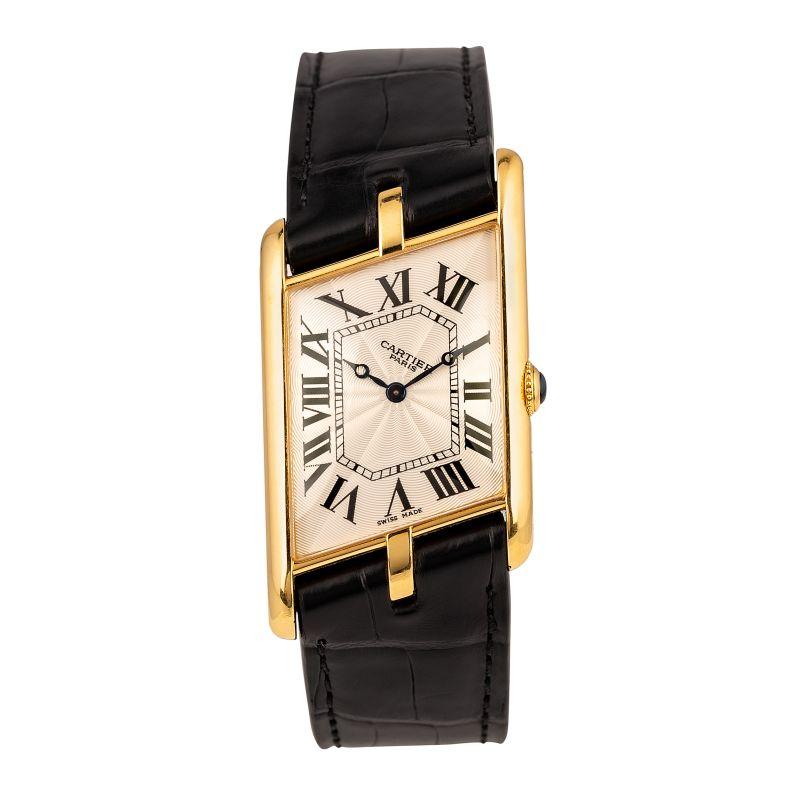
These are the references that define CPCP. Beautiful proportions, precious-metal cases, exceptional movement finishing, and timeless Cartier design. If someone asked me where to begin learning about CPCP, this is exactly where I'd start.
Gallery II — The Grand Complications
The moment Cartier proved it could play in the big leagues.
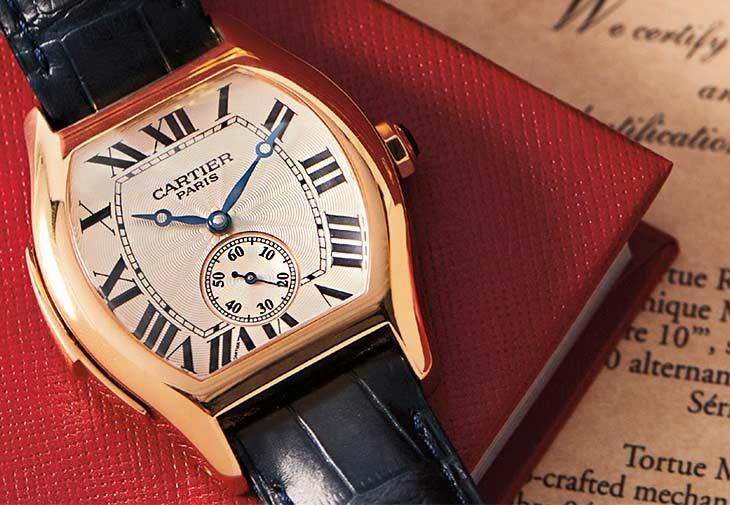
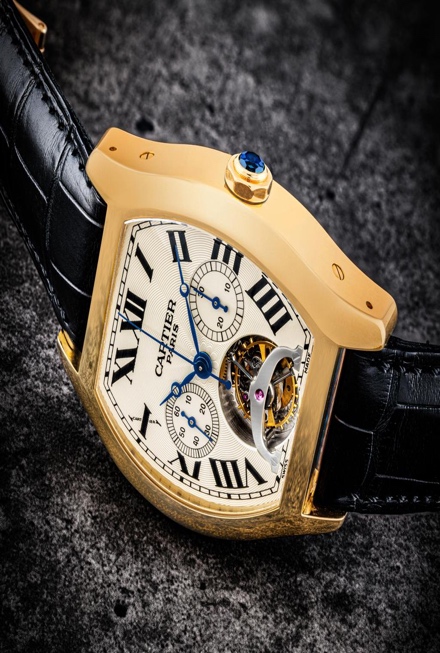
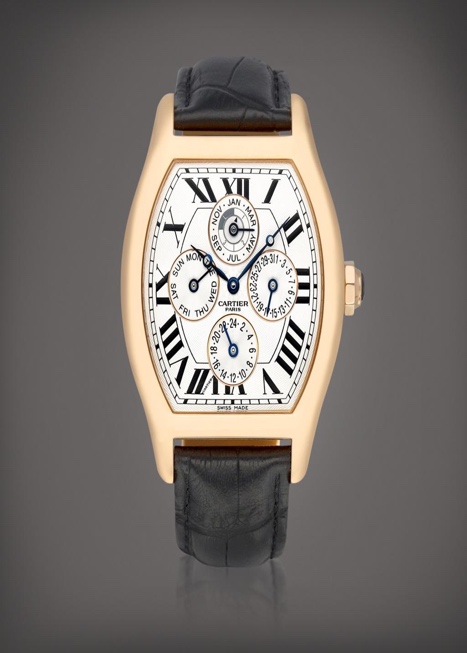
This is where my opinion of Cartier completely changed. Minute repeaters, tourbillons, monopusher chronographs, perpetual calendars, and long power reserves weren't marketing exercises—they were genuine haute horlogerie created with some of the finest movement specialists in Switzerland. The Tortue family alone shows how deep Cartier's watchmaking ambitions really were.
Gallery III — Beyond the Classic Tank
Historic shapes with serious mechanics.
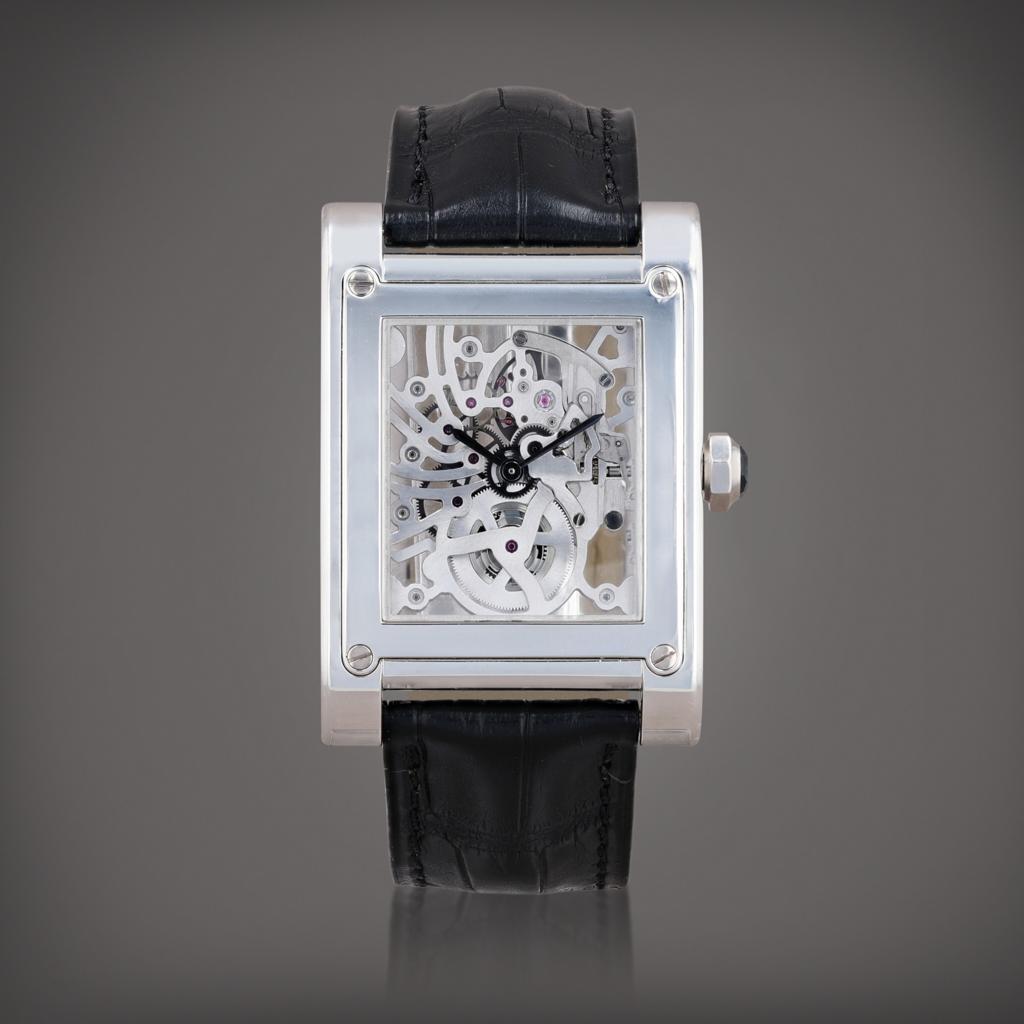
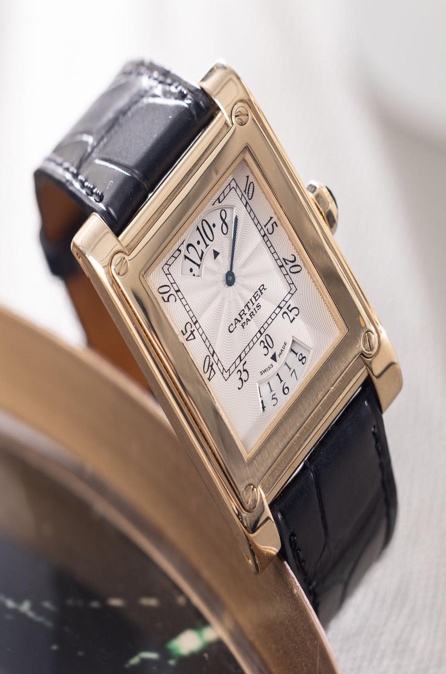
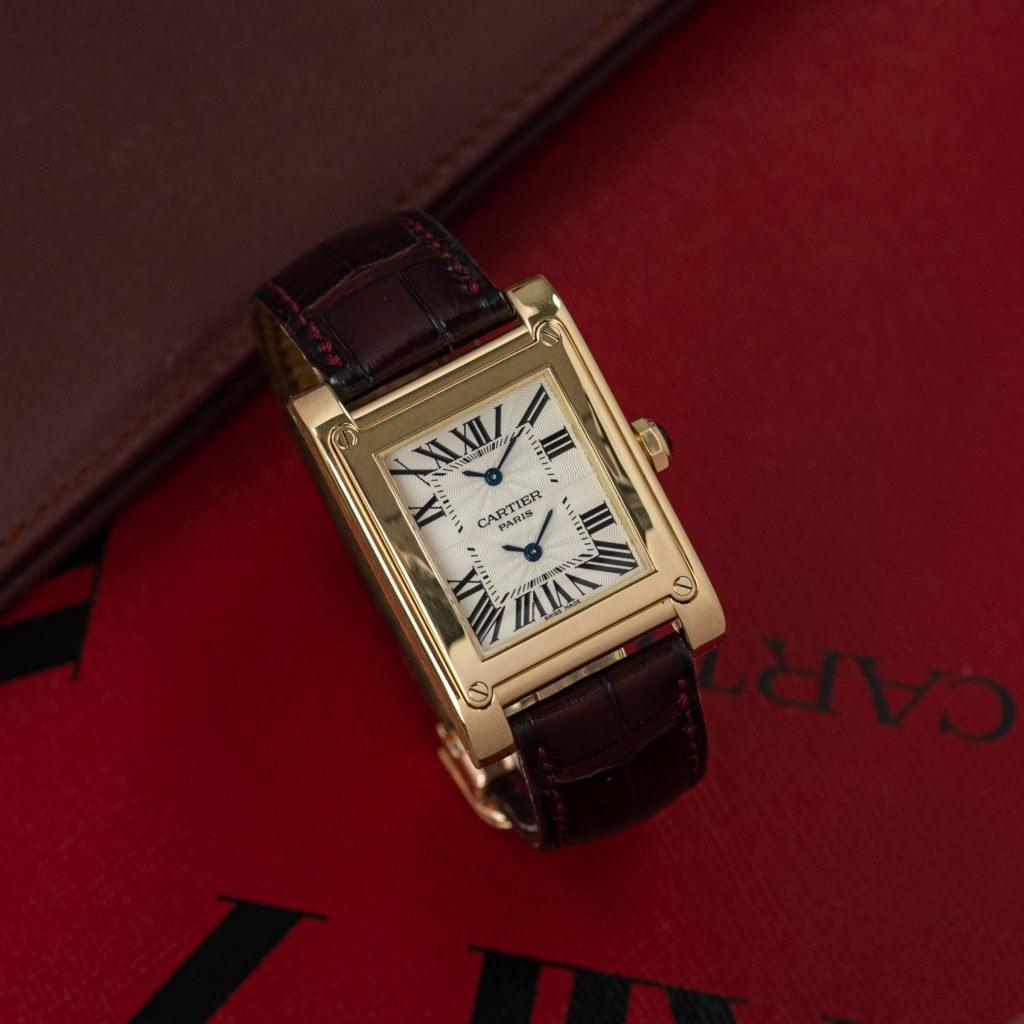
Skeletonization. Wandering hours. Dual time. Historic case shapes. This is where Cartier reminded everyone that design and mechanical innovation could live together beautifully.
Gallery IV — The Rare Shapes
Only Cartier could have designed these.
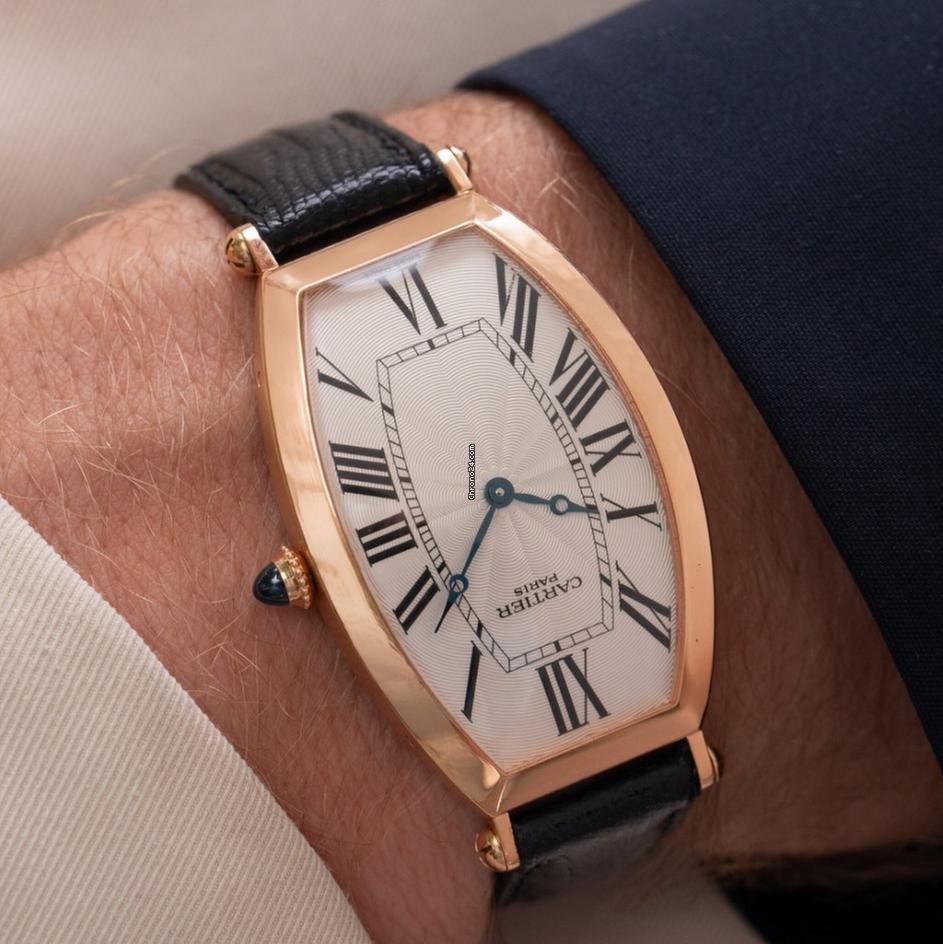
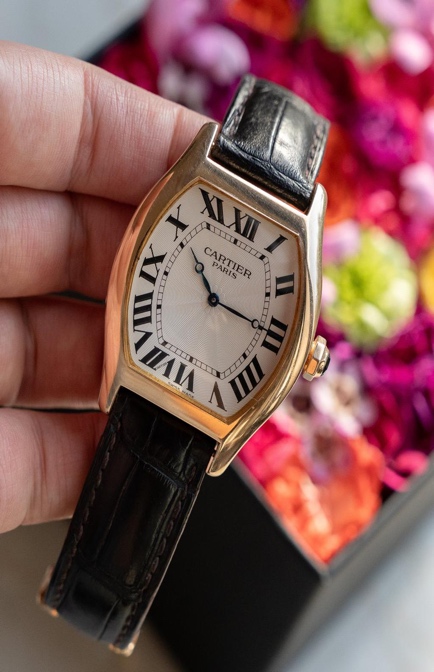
These references remind me that Cartier has always been one of the greatest case designers in history. Even today, they look unlike anything else on the market.
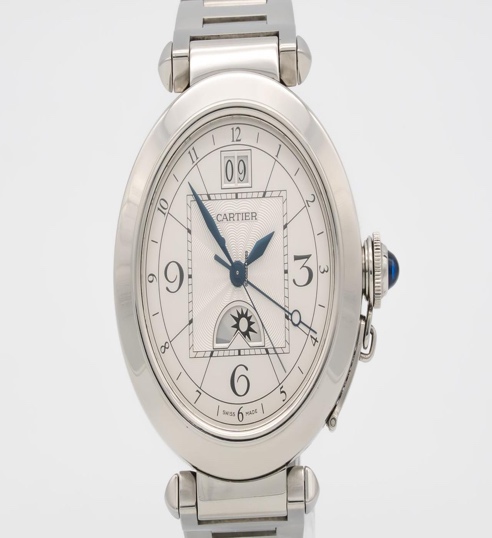
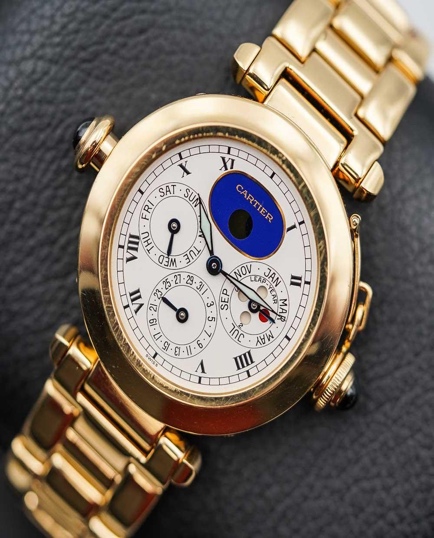
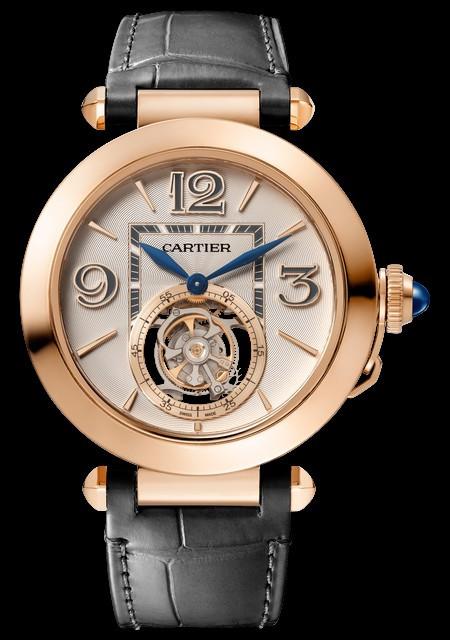
Gallery V — The Pasha Collection
The most underrated Cartier family?
 6
6
I honestly think the Pasha deserves far more love than it gets.
Everyone talks about the Tank and the Santos, but once you start looking at the complicated Pasha references, you realize Cartier was experimenting with some incredibly sophisticated mechanical pieces. This family quietly evolved from elegant sports watches into genuine haute horlogerie.
Gallery VI — The Next Chapter
Where CPCP evolved into Fine Watchmaking.

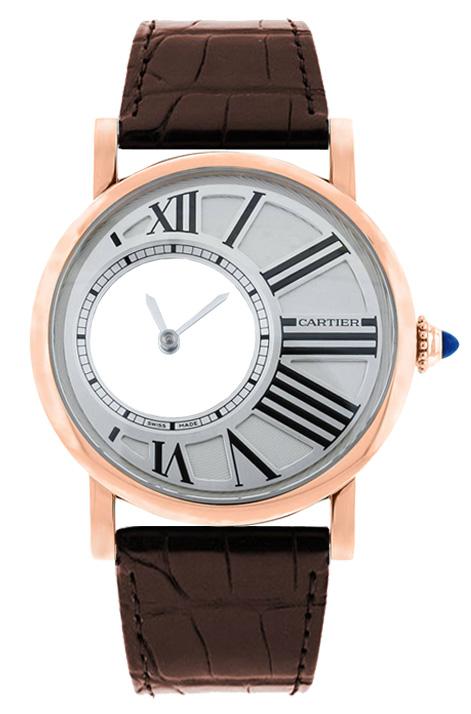

To me, this is where everything came together.
The Rotonde de Cartier Ref. 2873 and later W7100028 and W7100029 showed Cartier building an identity around sophisticated manufacture calibers and elegant complications.
The Ballon Bleu Flying Tourbillon, powered by the 9452 MC, became one of Cartier's defining achievements and featured the Geneva Seal, proving Cartier was no longer simply participating in haute horlogerie—it had earned its place there. The Clé Skeleton WHCL0008 is another favorite of mine because it perfectly blends movement architecture with Cartier's unmistakable design language.
Gallery VII — Award Winners & Engineering Marvels
The watches that made the industry pay attention.

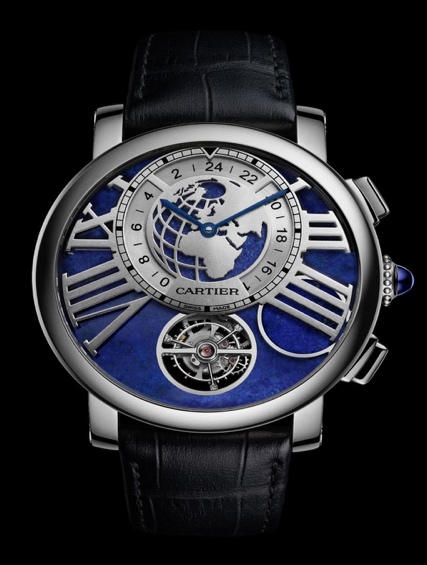
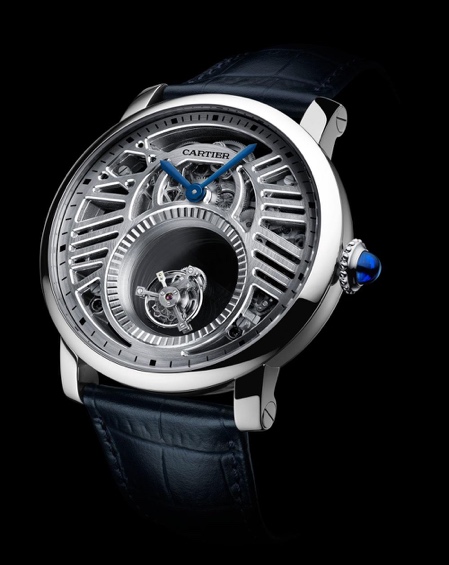
This is where Cartier completely won me over.
The Astrotourbillon, Earth & Moon, Mysterious Double Tourbillon, Grande Complication, and later the incredible Masse Mystérieuse proved that Cartier wasn't following trends—they were creating them.
When the Rotonde Astrotourbillon won the Grand Prix d'Horlogerie de Genève (GPHG) Aiguille d'Or, it wasn't just a win for one watch, it was recognition that Cartier had become one of the industry's most innovative manufactures.
Gallery VIII — The Hall of Fame
The pieces that define modern Cartier.
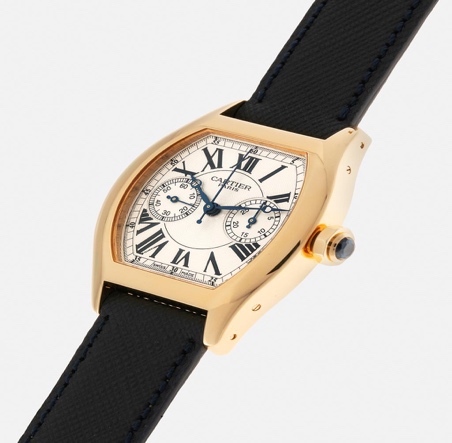
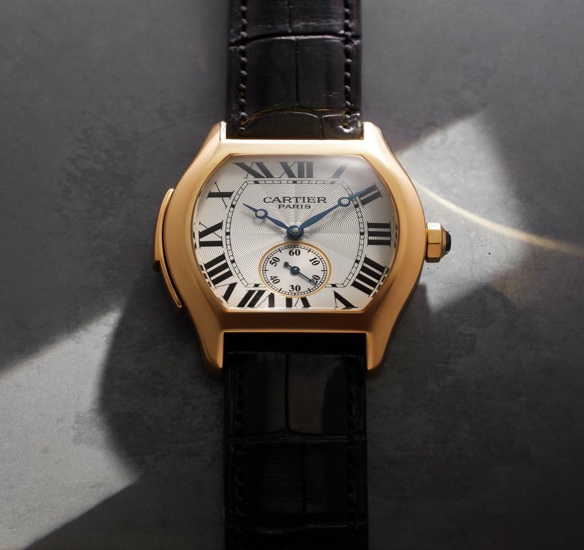

If I had to build my own "Cartier Hall of Fame," these would be on the wall. Each one tells a different chapter of the Maison's story—but together they explain why I've completely changed the way I think about Cartier.
Final Thoughts
The biggest surprise wasn't discovering that Cartier makes beautiful watches. We already knew that. The surprise was discovering how much serious watchmaking had been hiding behind the Cartier name all along. If I'm being honest, I used to think of Cartier as an incredible design house that happened to make watches. Today, I think of Cartier as one of the most fascinating stories in modern haute horlogerie. And here's the part that really surprised me...
Many of these references can still be found on the secondary market for 40–60% below their original retail price, depending on the model, condition, and rarity. That kind of value is hard to ignore when you consider the movement pedigree, finishing, design, and historical significance.
So I'll leave everyone with one final question...
Now that you know the story behind CPCP and where it eventually led... would you consider adding a Cartier to your collection?
For me, collecting has never been just about the logo on the dial.
It's about the people behind the movement, the craftsmanship, the history, and discovering the stories that most people never take the time to learn.
Sometimes the best collections aren't the loudest ones... they're the ones quietly waiting to be discovered.






.svg)


.svg)